



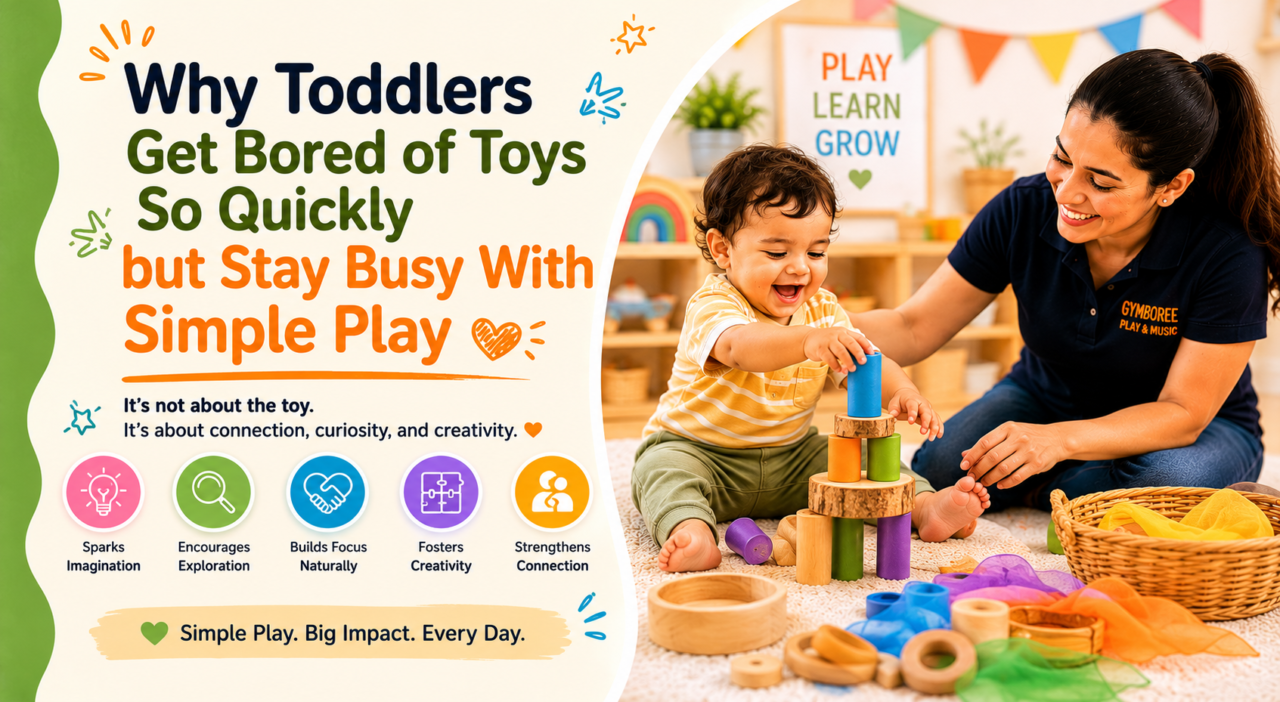
A parent once walked into a toddler class and immediately laughed when the welcome song started playing. Not because the class had begun. Because her toddler suddenly started doing the hand movements perfectly before anyone else even reacted. At home, the same child barely sat still for story time. But somehow one familiar song inside class instantly changed everything. That happens a lot during the toddler years. Children remember sounds, routines, rhythms, and sensory experiences in ways adults sometimes underestimate. A certain song makes them dance immediately. A familiar bubble machine makes them excited before the activity even starts. Even the smell of paint or soft play mats can trigger recognition. Toddlers absorb the world through their senses constantly. And honestly, many of their strongest early memories begin there. Young Children Experience Everything Physically Adults usually separate emotions, memories, and physical experiences into different categories. Toddlers do not. For young children, sound, movement, touch, smell, and emotion all blend together constantly. That is why sensory experiences feel so powerful during early childhood. A toddler hearing a familiar class song is not only recognizing music. They are remembering the feeling connected to it too. The excitement. The routine. The movement. The people around them. That connection between sensory experiences and emotional memory starts developing very early. Why Music Works So Well for Toddlers There is a reason toddlers respond to music almost automatically. Even very young children react physically when music starts playing. They bounce, clap, spin, sway, or suddenly become more attentive without anyone asking them to. Music helps toddlers because rhythm creates predictability. And toddlers love predictable things.
Thank you for reading this post, don't forget to subscribe!Songs also support development in several ways at once
- Memory
- Language development
- Listening skills
- Emotional regulation
- Coordination
- Social participation
Parents often notice children remembering songs long before they clearly communicate full conversations. That repetition helps information stick naturally. The Same Songs Become Comforting One thing toddler instructors notice quickly is how attached children become to familiar songs and routines. Parents sometimes wonder why classes repeat the same music every week. Because toddlers usually learn through repetition, not constant novelty. The same goodbye song. The same welcome routine. The same movement activities. Predictability helps children feel emotionally safe enough to participate confidently. A shy toddler who refuses activities during the first few classes may suddenly sing loudly once the music becomes familiar. The environment stops feeling unfamiliar and starts feeling comfortable. That emotional shift matters more than people think. Toddlers Need More Than Screen-Based Stimulation Modern childhood includes constant digital noise. Fast cartoons. Loud toys. Background television. Endless stimulation happening all day. The problem is that toddlers still need sensory experiences connected to the real world too. Things they can physically touch, hear, move through, and interact with directly. Music classes, sensory play, movement activities, and group experiences engage children differently because toddlers become active participants instead of passive viewers. A child shaking instruments during music class experiences rhythm physically. A toddler feeling bubbles pop on their hands experiences sensory feedback directly. Those moments stay with children because they involve the whole body, not just visual attention. Sensory Play Helps Toddlers Focus Parents are sometimes surprised by how long toddlers stay focused during simple sensory activities. Water play. Bubbles. Soft textures. Music. Colorful scarves floating through the air. These things may seem basic to adults, but toddlers often become deeply engaged because sensory play feels calming and stimulating at the same time. Children focus naturally when their senses feel involved without becoming overwhelmed. That balance matters during early childhood because overstimulation can leave toddlers emotionally exhausted very quickly. Simple sensory experiences often hold attention better than loud entertainment. Why Movement and Music Work Together So Well Toddlers rarely separate movement from sound. Once music starts, movement usually follows immediately. That combination helps children develop coordination, rhythm, and body awareness naturally. It also makes social participation easier. Some toddlers who feel shy during direct interaction become completely comfortable dancing beside other children during music activities. Movement removes pressure. Children connect through shared activity instead of needing perfect communication skills first. That is one reason music-and-movement classes remain so popular during the toddler years. Children Build Emotional Associations With Environments Parents notice this without always realizing it. Toddlers remember how places feel. A child may walk into a familiar play class and immediately become excited before any activity even begins. Not because they consciously remember every detail. Because their brain connects the environment with familiar emotional experiences. The songs feel familiar. The routines feel safe. The sensory experiences feel comforting. Those emotional associations help children build confidence over time in group settings. Small Sensory Memories Last Longer Than Adults Expect Adults often assume children forget the toddler years completely. But sensory memory works differently. Many early childhood memories stay connected to sounds, movement, or feelings long after details disappear. A familiar nursery rhyme years later. The memory of bubbles floating overhead. The feeling of sitting under a parachute during music time. These moments may seem ordinary while they are happening, but they help shape how children experience comfort, connection, and joy early on. Why Calm Sensory Environments Matter Not all sensory experiences help toddlers equally. Some environments overwhelm children with too much noise and stimulation happening simultaneously. Others feel calmer and more intentional. Good toddler environments usually balance sensory engagement carefully. There is movement, music, color, and activity, but children still have room to focus, observe, and participate naturally without becoming overloaded. That balance helps children feel secure enough to explore confidently. Especially during the toddler years when emotional regulation is still developing. Parents Usually Notice the Difference at Home After movement and sensory classes, many parents notice their children behave differently afterward. Not necessarily quieter. But calmer. More emotionally settled. Better able to focus or transition into the next part of the day. That happens because toddlers often regulate emotions better after meaningful physical and sensory engagement than after passive entertainment. The body and brain both feel involved. Childhood Is Built Through Tiny Repeated Moments Adults sometimes search for huge developmental breakthroughs during early childhood. But toddler development usually happens through small repeated experiences instead. Songs repeated every week. Familiar routines. Movement activities. Sensory exploration. Group play. Children slowly build confidence, emotional security, memory, social comfort, and coordination through those ordinary moments. Which is why toddlers often remember the feeling of an experience long before they understand how to describe it. And honestly, those feelings are usually what matter most anyway.
Frequently Asked Questions
Why do toddlers get bored of toys quickly?
Many toys offer limited interaction while open-ended play activities allow toddlers to use imagination and creativity repeatedly.
What is open-ended play for toddlers?
Open-ended play includes activities with no fixed outcome, such as blocks, tunnels, sensory play, or pretend games.
Why do toddlers enjoy simple activities more?
Simple activities encourage movement, creativity, curiosity, and active participation instead of passive entertainment.
