



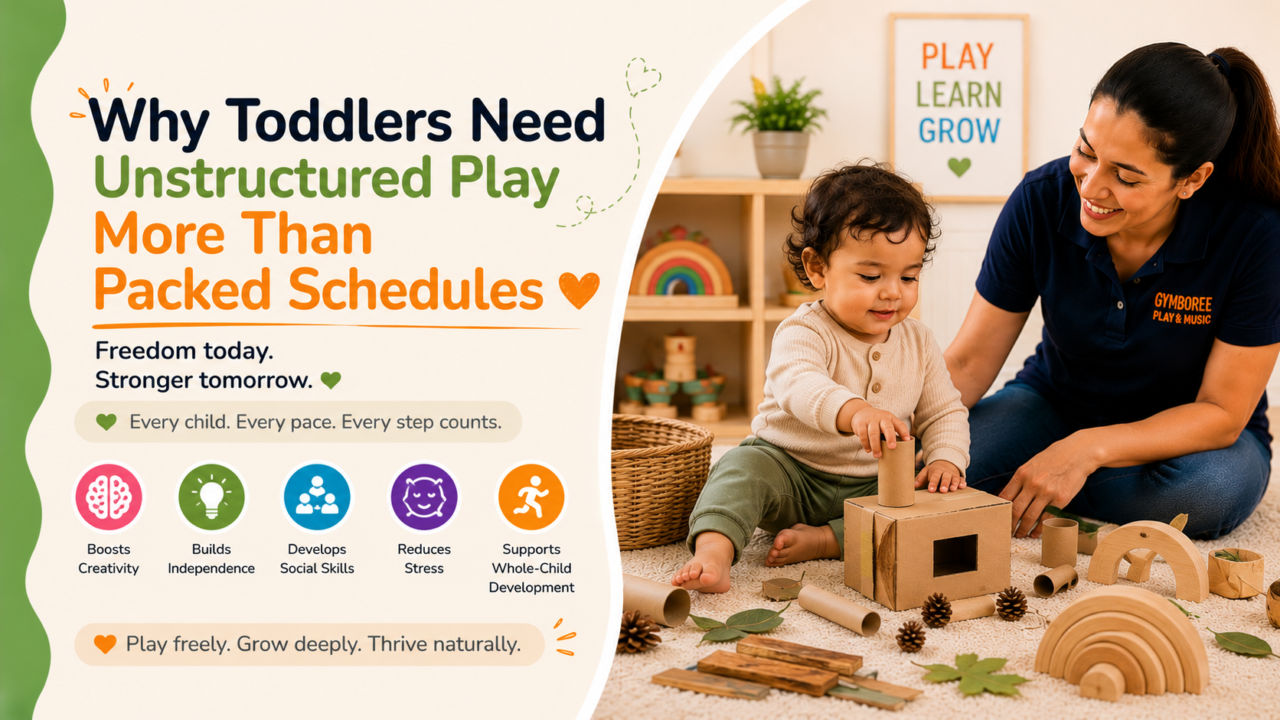
Every parent has had this moment. You turn away for five seconds and suddenly your toddler is halfway up the sofa, standing on a coffee table, or trying to climb something that absolutely was not designed for climbing. Toddlers are strangely committed to this lifestyle. And honestly, there is a reason for it. Young children are supposed to climb, crawl, balance, jump, and test their physical limits. That urge is not random bad behavior. It is part of how toddlers figure out what their bodies can do. The challenge for parents is finding ways to let children explore movement safely without turning the entire house into an obstacle course. That is why toddler play spaces matter more than people sometimes realize. Toddlers Learn Through Movement Before Anything Else Adults usually think learning means sitting down and paying attention. Toddlers do not work like that. At this age, movement is part of learning itself. Children understand the world through physical experiences first. They touch everything, carry random objects everywhere, climb constantly, and repeat the same movements over and over again because their brains are building connections through those experiences. A toddler climbing soft play equipment is learning things they cannot fully explain yet. Balance. Coordination. Distance. Confidence. Body awareness. Problem-solving. All of that happens during what adults casually call “play.” Why Children Repeat the Same Climbing Activities Constantly Parents often wonder why toddlers climb the exact same structure fifteen times without getting bored. Adults usually need novelty. Toddlers usually need repetition. Repetition helps children feel confident because they begin understanding their own movements better each time. The first attempt feels uncertain. By the tenth attempt, they move differently because they trust their body more. This is one reason toddlers love familiar play environments. Once children feel emotionally comfortable, they start exploring more confidently. Parents notice this during classes all the time. A cautious toddler who avoided climbing equipment during the first session suddenly acts fearless a few weeks later. The environment did not change. The child’s confidence did. Physical Confidence Changes Emotional Confidence Too One thing people underestimate about toddler movement is how connected it is to emotional development. When children successfully navigate physical challenges, they start trusting themselves more overall. That confidence carries into other situations. Children become more willing to join activities, interact socially, or explore unfamiliar spaces because they have already experienced small successes physically. You can actually watch this happen during toddler classes. A child climbs something independently for the first time, then immediately looks toward their parent waiting for a reaction. The smile afterward says everything. Toddlers feel proud when they accomplish things themselves. Why Safe Play Spaces Matter The problem is that toddlers want to explore physically long before they understand danger properly. Which is exactly why they try climbing bookshelves and jumping off furniture with complete confidence.
Thank you for reading this post, don't forget to subscribe!At home, parents spend most of the day saying things like
“Feet on the floor.” “Please get down.” “That’s not safe.” Inside properly designed toddler play spaces, the situation changes. Children can climb, crawl, jump, and balance in environments created specifically for movement and exploration. Parents stop needing to panic every five seconds because the space already accounts for toddler behavior. That freedom changes how children play. When toddlers feel safe enough to explore naturally, they usually become more focused and engaged. Tunnels Are Weirdly Fascinating to Toddlers There is also something funny about tunnels. Toddlers love them. Children will crawl through the same tunnel repeatedly like it is the greatest achievement of their lives. Part of this comes from curiosity. Tunnels feel adventurous and slightly mysterious to young children. They create a manageable challenge that toddlers can complete independently. But tunnel play also supports coordination and spatial awareness in important ways. Crawling strengthens muscles, balance, and body control while helping children understand movement through space. Toddlers are basically practicing physical problem-solving while thinking they are just having fun. Watching Other Children Changes Everything One thing parents notice quickly in toddler classes is how much children learn simply by observing each other. A hesitant child may refuse to climb initially, then suddenly try after watching another toddler do it first. Children constantly study the behavior of other children around them. That social element matters because confidence spreads surprisingly fast in group environments. Sometimes toddlers need proof that something feels safe before attempting it themselves. Watching another child succeed often provides that reassurance. Not Every Toddler Approaches Movement the Same Way Some toddlers launch themselves into everything immediately. Others analyze every situation carefully first. Parents compare these reactions constantly, but most of the time it comes down to personality more than ability. Cautious toddlers are not necessarily less capable physically. They simply process risk differently. And honestly, cautious children often become extremely confident climbers later because they build trust gradually instead of rushing. There is no perfect toddler personality when it comes to movement. Fearless children need boundaries sometimes. Cautious children need reassurance sometimes. Both are normal. Physical Play Helps Toddlers Regulate Emotions Movement does more than build coordination. It helps toddlers emotionally too. Young children process stress, excitement, frustration, and energy physically before they can explain feelings clearly. Climbing, jumping, dancing, balancing, and crawling help release emotional tension naturally. Parents often notice children seem calmer after active play sessions even when they looked energetic during the activities themselves. That difference surprises people. Toddlers usually regulate emotions better after meaningful movement than after long periods sitting still. The Best Toddler Spaces Feel Engaging Without Feeling Chaotic Some children’s play spaces feel overwhelming almost immediately. Too much noise. Too many lights. Too much happening at once. Toddlers often become overstimulated quickly in environments like that. The best toddler environments usually feel different. Children stay active and engaged, but the space still allows them to focus, explore, and move naturally without constant sensory overload. That balance matters more than many adults realize. Especially during early childhood when children are still learning how to process the world around them. Toddlers Need Places Where “Yes” Happens More Often At home, toddlers hear “no” constantly because adults are trying to keep them safe. No climbing. No jumping. No running there. Inside good play environments, children finally hear more “yes.” Yes, you can climb that. Yes, you can crawl through there. Yes, you can explore safely. That freedom feels important to toddlers because curiosity is such a huge part of early childhood. And honestly, watching children figure things out confidently on their own is one of the best parts of the toddler years anyway.
Frequently Asked Questions
Why is unstructured play important for toddlers?
Unstructured play helps toddlers develop creativity, independence, emotional regulation, and problem-solving naturally.
Can overscheduling affect toddler behavior?
Yes, too many structured activities can overstimulate toddlers and leave them emotionally exhausted.
How does free play support creativity in children?
Free play gives toddlers space to imagine, experiment, and create their own ideas independently.
