



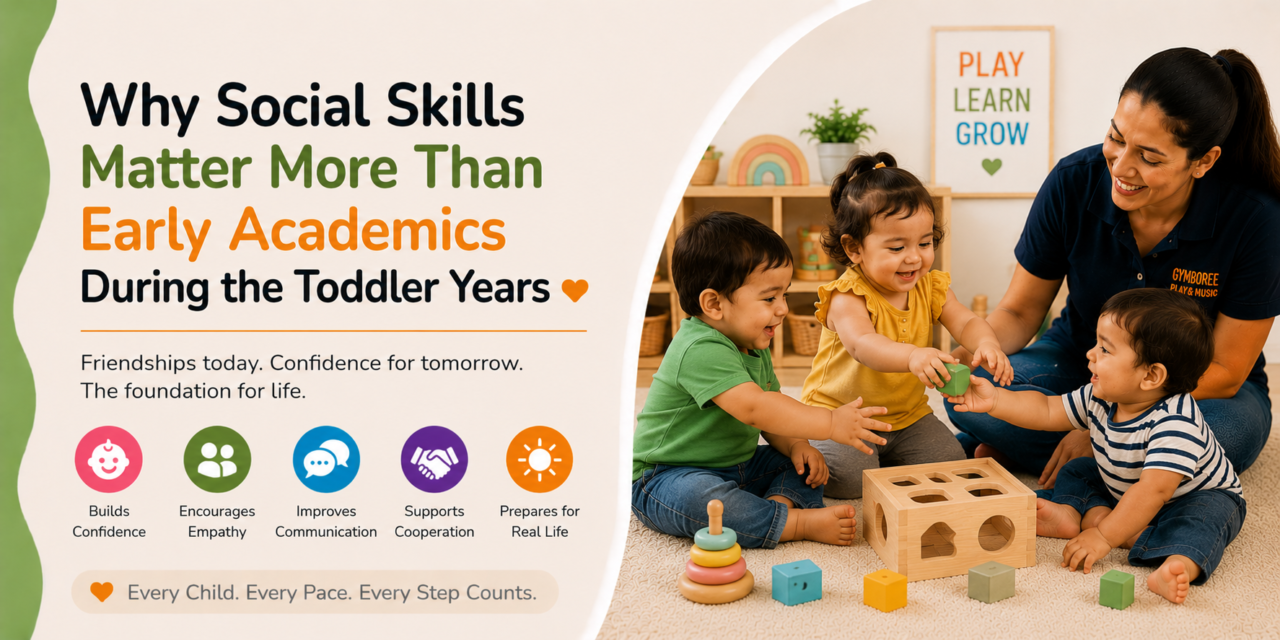
A parent watching a toddler class once pointed toward another child sitting calmly during circle time and whispered, “That little girl is definitely ready for preschool already.” The funny part was that the child was not reading, counting, or showing advanced academic skills. She was simply waiting patiently for her turn during an activity. That moment says a lot about early childhood development. Most parents spend the toddler years worrying about obvious milestones first. Letters. Numbers. Shapes. Counting. Vocabulary. But when children finally enter preschool, teachers often notice something else matters just as much, sometimes even more. Can the child function comfortably around other people? That question shapes a huge part of preschool readiness. Preschool Is Social Before It Becomes Academic Adults usually think about school as a place for learning facts. Toddlers experience it differently at first.
Thank you for reading this post, don't forget to subscribe!For young children, preschool often means
- Being around unfamiliar adults
- Following routines
- Participating in group activities
- Waiting for turns
- Handling separation from parents
- Navigating emotions around other children
Those experiences require emotional and social confidence long before academics fully matter. A toddler who knows the alphabet but struggles emotionally in group settings may still find the transition difficult. Meanwhile, a socially comfortable child often adjusts much more smoothly, even if they are not academically advanced yet. Why Group Play Teaches Skills Children Cannot Learn Alone One thing toddler classes show very clearly is that children learn constantly from other children. Not through formal teaching. Through observation. A toddler watches another child sit during music time and slowly copies the behavior. Another child sees classmates waiting for bubbles and begins understanding routines naturally. Group play introduces toddlers to situations they cannot fully recreate at home.
Things like
- Sharing space
- Following group rhythms
- Watching peers participate
- Handling small frustrations
- Learning patience imperfectly
- Listening in busy environments
These are social experiences, not academic lessons. Still, they become extremely important once preschool begins. Waiting for a Turn Is Harder Than Adults Think Adults underestimate how difficult waiting feels for toddlers. Young children live very much in the present moment. If they want something, they usually want it immediately. That is why group toddler activities matter. Simple games involving bubbles, parachutes, tunnels, or music gradually introduce the idea that other children exist within the experience too. A toddler holding the parachute learns they cannot control the activity alone. Everyone moves together. Even tiny moments of patience become developmental practice. And honestly, toddlers are not great at it initially. That is normal. Following Routines Builds Emotional Security Parents often notice toddler classes follow similar structures every session. Welcome songs. Movement activities. Group play. Parachute time. Goodbye routines. This repetition is intentional because routines help children feel emotionally secure. Toddlers become more confident once they know what happens next. That emotional comfort eventually helps children participate more independently in group settings. A child who feels secure in routines usually transitions into preschool environments more comfortably too. Why Listening in Groups Takes Practice Listening at home and listening in a group are completely different experiences for toddlers. At home, children usually receive one-on-one attention from adults constantly. Group environments require children to filter sounds, observe others, and pay attention despite distractions happening around them. That skill develops slowly. Some toddlers naturally adapt quickly. Others need repeated exposure before they feel comfortable participating in busy group spaces. Neither reaction is wrong. Children build social attention gradually through practice and familiarity. Shy Toddlers Are Usually Learning Too Parents worry about shyness constantly. Especially during toddler classes. A child refusing activities while other toddlers participate confidently can make parents feel anxious very quickly. But quiet observation is still participation during early childhood. Many cautious toddlers spend weeks watching before joining group activities independently. They study everything first. The songs. The routines. The other children. The instructor. Then suddenly one day they participate comfortably like they have always belonged there. Confidence often develops internally before adults notice visible changes. Social Confidence Helps Academic Learning Later This part surprises some parents. Children who feel socially secure usually learn academic concepts more comfortably too. Why? Because emotional energy is not being spent entirely on anxiety, transitions, or social discomfort. A child comfortable asking questions, interacting with teachers, and participating in group activities naturally engages more with learning environments overall. That does not mean academics are unimportant. It simply means emotional and social readiness create the foundation supporting everything else afterward. Movement and Social Development Are Connected Toddler classes work well socially partly because movement removes pressure. Children interact more naturally while climbing, dancing, crawling, or chasing bubbles than they do sitting still face-to-face. Physical activities create shared experiences without forcing direct communication immediately. This helps shy or cautious toddlers especially. A child may refuse conversation but happily crawl through tunnels beside another toddler five minutes later. That still counts as social connection. Parents Usually Notice Small Changes First The biggest signs of social growth during early childhood are rarely dramatic. Usually they happen quietly. A toddler greeting the instructor independently for the first time. Participating in circle time instead of sitting beside a parent. Sharing toys briefly without tears. Following classroom routines more confidently. Parents notice these moments immediately because they understand how much emotional growth they represent. Social development during early childhood happens through tiny repeated experiences over time. Preschool Readiness Is Not About Perfection No toddler arrives perfectly prepared for preschool. Every child struggles with something. Some find separation difficult. Others struggle with routines or group listening. Some children are socially confident but emotionally sensitive. Others are physically active but cautious around peers. That variation is completely normal. The goal during toddler years is not creating perfectly behaved children who sit quietly all day. The goal is helping children gradually become comfortable exploring, participating, communicating, and functioning around others. That growth happens slowly through repetition and social experience. The Important Skills Often Look Ordinary Adults tend to notice academic milestones first because they are easy to measure. Can the child count? Recognize letters? Name colors? But some of the most important preschool skills look much smaller from the outside. Waiting briefly. Joining group activities. Feeling comfortable with routines. Recovering after frustration. Participating confidently around other children. Those skills usually develop during ordinary toddler experiences involving music, movement, bubbles, parachutes, tunnels, and group play. Which is why “just playing” often prepares children for preschool much more than parents initially realize.
Frequently Asked Questions
Are social skills more important than academics before preschool?
Social and emotional confidence often help children adjust to preschool environments more comfortably than early academic skills alone.
How do toddlers learn social behavior?
Toddlers learn social behavior through observation, repetition, group interaction, and shared play experiences.
What makes a child preschool-ready?
Preschool readiness includes emotional confidence, group participation, communication, independence, and social comfort.
