



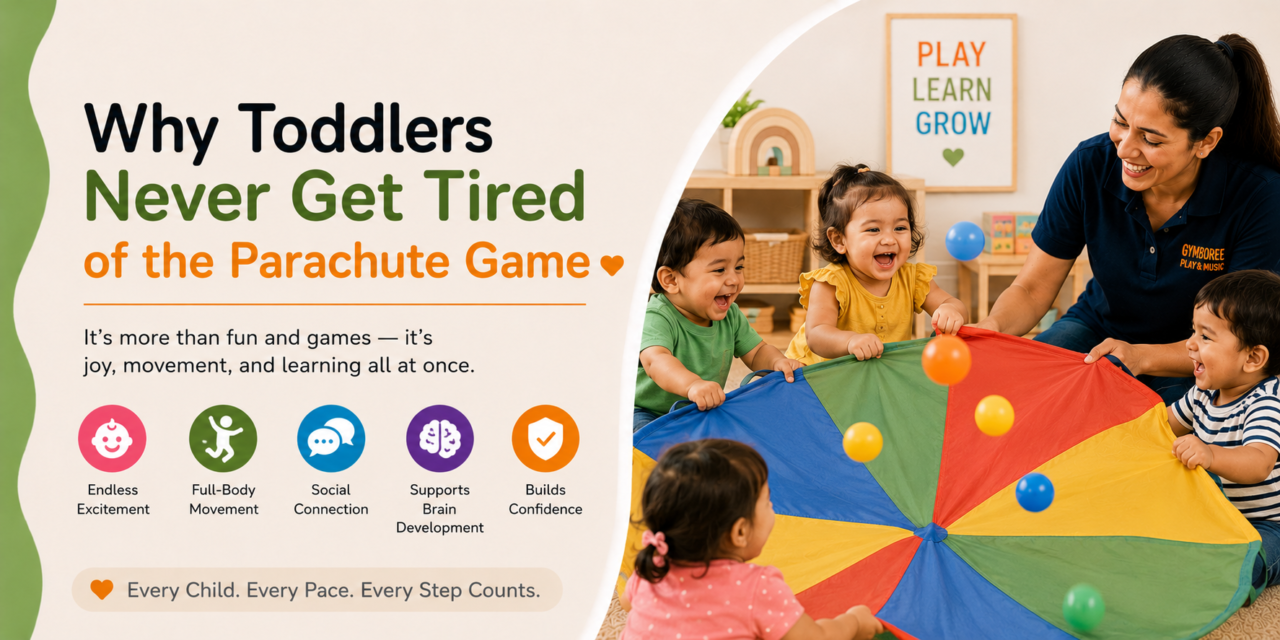
Most parents have experienced this at least once. You spend money on a new toy thinking it will finally become the thing your toddler loves for more than two days. The toy lights up. Talks. Sings songs. Probably has at least fourteen buttons doing different things. Your child opens it excitedly, plays with it for ten minutes, then somehow becomes more interested in the cardboard box it came in. Meanwhile, the same toddler will spend half an hour moving cushions across the living room pretending the floor is lava. Toddler logic makes absolutely no sense sometimes. But there is actually a reason simple play often keeps children engaged longer than complicated toys do. Toddlers Like Being Part of the Play A lot of modern toys entertain children passively. The toy talks. The toy sings. The toy flashes lights and creates reactions automatically. Toddlers press a button and watch something happen. Simple play works differently. Children become part of the experience instead of sitting back watching it happen for them. A cardboard box becomes anything. A tunnel becomes an adventure. Foam blocks become climbing mountains. Scarves become superhero capes, picnic blankets, or magic carpets depending entirely on the toddler’s mood that day. That freedom keeps children interested because their imagination stays involved. Open-Ended Play Lasts Longer Parents notice this constantly during toddler classes. The simplest activities usually hold attention surprisingly well. Bubbles. Music. Soft play equipment. Parachute games. Building blocks. Children return to these things repeatedly because there is no single “correct” way to play with them. Every experience feels slightly different. A toddler may stack blocks carefully one day and knock them down dramatically the next. Both experiences still feel interesting because the child controls the play. Toys with fixed outcomes usually lose novelty faster. Once toddlers understand exactly what the toy does, the excitement often disappears quickly too. Why Toddlers Love Repetition So Much Adults get bored easily. Toddlers usually do not. One child can slide down the same soft mat twenty times in a row without questioning whether this is a reasonable use of time. That repetition actually supports development. Children repeat activities because they are learning through them. Every attempt helps toddlers understand movement, coordination, balance, timing, and confidence a little better. The same thing happens with songs, routines, and sensory play. Parents sometimes wonder why toddler classes repeat the same parachute game every week. Because toddlers usually thrive on familiarity. Predictable activities help children feel emotionally secure enough to participate confidently. The Best Play Usually Feels Simple Adults often assume children need more stimulation to stay engaged. More sounds. More lights. More complicated activities. Toddlers usually prove the opposite. Many children stay focused longer during simple sensory or movement-based play because the activities leave space for imagination and interaction instead of overwhelming them constantly. A bubble floating through the air naturally captures attention. So does music. So does balancing across foam steps independently for the first time. These experiences engage toddlers physically and emotionally at the same time. Why Movement Keeps Toddlers Interested Young children are not designed to sit still for very long. Movement is part of how they understand the world. That is why climbing, crawling, balancing, dancing, and jumping hold toddler attention naturally. Physical play gives children something active to solve. “How do I climb this?” “Can I balance there?” “What happens if I crawl through that tunnel backwards?” Toddlers turn movement into experimentation constantly. Parents sometimes mistake this for “having too much energy,” but movement is actually part of early learning itself. Social Play Makes Simple Activities Better Something interesting happens when toddlers play around other children. Simple activities suddenly become more exciting. A tunnel becomes more fun because another child crawled through it first. A parachute game becomes exciting because everyone is moving together. One toddler starts dancing and suddenly four others join in immediately. Children feed off each other’s curiosity during group play. That social element keeps activities engaging much longer than solo entertainment usually does. It also helps toddlers develop confidence naturally because they observe other children constantly. Toddlers Need Space to Create Their Own Ideas Some toys leave no room for imagination at all. The toy already does everything. Toddlers press buttons and receive entertainment instantly, but there is very little space left for creativity. Simple play environments work differently. Children invent games naturally when the materials allow flexibility. A foam mat can become a mountain. A tunnel can become a hiding place. A parachute can become a tent, a wave, or a giant rainbow depending on the game. Toddlers enjoy experiences more deeply when they help create the activity themselves. Parents Usually Notice Better Focus During Simpler Activities One surprising thing many parents notice is how calm toddlers become during good sensory or movement-based play. Not quiet exactly. Toddlers are rarely quiet. But focused. Children stay engaged longer because they are actively participating instead of passively consuming stimulation.
Thank you for reading this post, don't forget to subscribe!That type of play often supports
- Attention span
- Coordination
- Confidence
- Problem-solving
- Social interaction
- Emotional regulation
Without feeling forced or heavily structured. For toddlers, learning usually works best when it feels playful first. Why Overstimulating Toys Sometimes Backfire Parents often buy loud or highly interactive toys because they seem educational or entertaining. But too much stimulation can overwhelm some toddlers quickly. Fast sounds, flashing lights, and nonstop reactions may hold attention briefly, but children often lose interest just as fast afterward. Simple play tends to create steadier engagement instead. Children stay involved because the activity depends on their own curiosity rather than constant stimulation from the toy itself. That difference matters more during early childhood than adults sometimes realize. Childhood Usually Looks Simpler Than Adults Expect Adults often overcomplicate toddler entertainment because we assume children need constant excitement. Most toddlers are perfectly happy with movement, music, bubbles, water play, climbing spaces, and opportunities to explore freely. That is why many parents eventually notice their children stay more engaged in simple play classes than with expensive toys sitting untouched at home. Children do not always need more things. Usually they need better opportunities to move, imagine, interact, and explore naturally. And honestly, the cardboard box still wins surprisingly often anyway.
Frequently Asked Questions
Why is climbing important for toddlers?
Climbing helps toddlers build balance, coordination, confidence, body awareness, and problem-solving skills.
How does soft play equipment support development?
Soft play environments allow toddlers to explore movement safely while improving physical and emotional confidence.
What are the benefits of movement-based play?
Movement-based play supports coordination, emotional regulation, confidence, and sensory development.
