



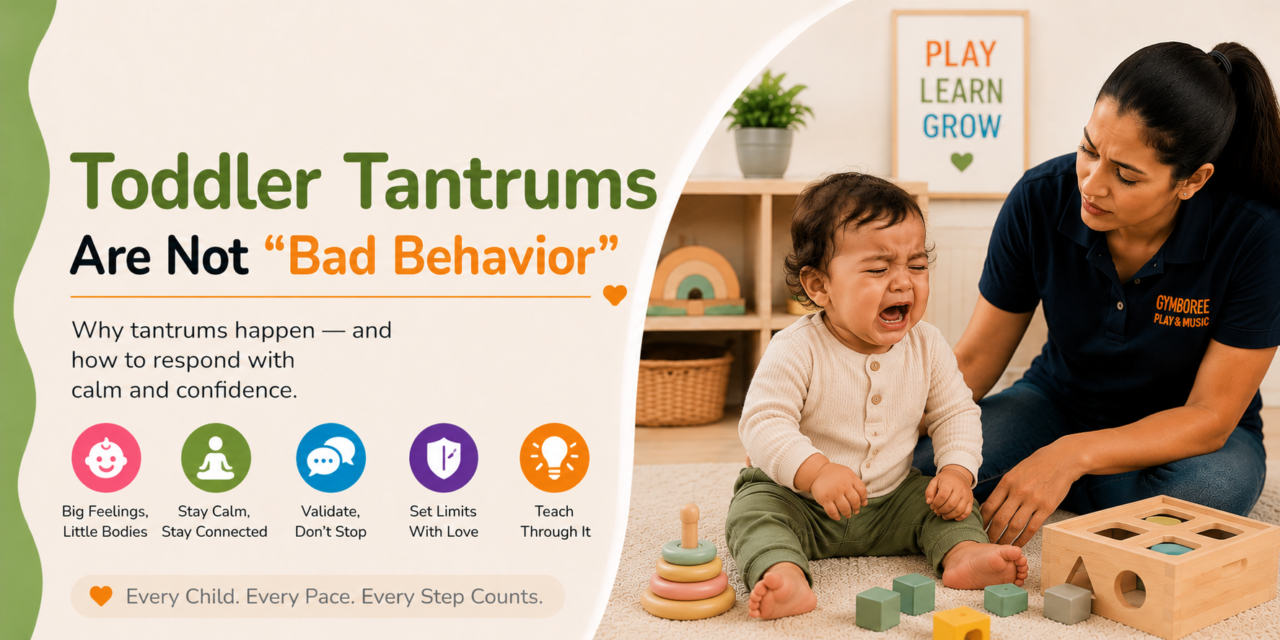
Every parent has experienced it somewhere awkward. The supermarket floor meltdown. The screaming because the banana broke in half. The tears over the “wrong” colored cup that looked exactly the same as yesterday’s cup. Toddler tantrums can feel dramatic, exhausting, and completely irrational at times. Parents often leave those moments wondering whether they handled things correctly or whether their child is becoming “difficult.” But most toddler meltdowns are not really about bad behavior. Usually, they happen because young children feel emotions much bigger than their ability to explain them. That disconnect creates frustration very quickly. Toddlers Feel Emotions Before They Understand Them Adults forget how overwhelming the world feels during early childhood. Toddlers experience frustration, excitement, disappointment, embarrassment, tiredness, jealousy, and overstimulation long before they fully understand what those feelings mean. They also lack the language skills to explain emotions clearly in the moment. So instead, the emotion comes out physically. Crying. Throwing. Running away. Screaming. Refusing everything suddenly. To adults, the reaction often looks much bigger than the situation itself. But for toddlers, the feeling behind the reaction is very real. That matters. Most Tantrums Happen When Toddlers Feel Overwhelmed Parents sometimes think tantrums appear randomly. Usually there is a reason underneath the behavior, even if it is not obvious immediately.
Thank you for reading this post, don't forget to subscribe!A toddler may be
- Tired
- Hungry
- Overstimulated
- Frustrated
- Struggling with transitions
- Feeling ignored
- Emotionally overwhelmed
- Unable to communicate clearly
Even small problems can feel enormous at that age because toddlers are still learning emotional regulation. Adults regulate emotions automatically most of the time. Toddlers are still building that skill from scratch. Why Toddlers Struggle With “No” Parents hear endless advice about setting boundaries during toddler years, and boundaries absolutely matter. But it also helps to remember what “no” feels like from a toddler’s perspective. Young children spend most of their day being directed constantly. No climbing. No touching. No running. No throwing. No jumping there. No snacks now. Their entire world contains limits they often do not fully understand yet. That does not mean parents should remove boundaries. It simply explains why frustration builds quickly during this stage of development. Toddlers want independence long before they have emotional control. That combination creates conflict constantly. Why Calm Adults Matter During Meltdowns One difficult truth about toddler tantrums is that children often borrow emotional energy from the adults around them. If adults become louder, angrier, or more emotionally reactive, toddlers usually escalate too. Not because they are manipulative. Because emotional regulation is still developing, and children naturally respond to surrounding energy. This is why calmer responses tend to work better long term, even though staying calm during a public meltdown can feel nearly impossible sometimes. Toddlers do not always need perfect solutions immediately. Often they need adults who stay emotionally steady while the storm passes. Movement Helps Toddlers Process Emotions One reason toddler classes work well for emotional development is because movement naturally helps children regulate feelings. Young children process emotions physically before they process them verbally. Running, climbing, jumping, dancing, and sensory activities release tension in ways sitting still cannot. Parents often notice children seem calmer after active play sessions, even if they were energetic during the activities themselves.
Physical play helps toddlers
- Release frustration
- Improve body awareness
- Build confidence
- Reduce stress
- Feel emotionally settled afterward
That is one reason movement-based classes are so valuable during early childhood. Children are not only developing physically. They are learning emotional regulation too. Group Play Teaches Emotional Skills Slowly Toddlers learn emotional behavior through repeated interaction with other children. Not through lectures.
During group activities, children slowly experience things like
- Waiting for turns
- Handling disappointment
- Watching other children cry
- Sharing space
- Following routines
- Recovering after frustration
Some days go smoothly. Other days a toddler cries because another child touched the red ball first. Both situations are normal parts of development. Children need repeated social experiences to build emotional resilience gradually. That process takes time. Naming Feelings Actually Helps One thing early childhood educators often do naturally is help toddlers connect words to emotions.
Simple phrases like
“You’re upset because the game ended.” “You wanted another turn.” “That surprised you.” These responses may sound small, but they help toddlers slowly understand their own emotions better over time. Children calm down faster when they feel understood instead of dismissed immediately. That does not mean giving in to every tantrum. It means helping toddlers feel emotionally safe while still maintaining boundaries. Why Some Toddlers Melt Down More Than Others Temperament matters a lot during early childhood. Some toddlers are naturally flexible and calm. Others experience emotions very intensely from the beginning. Neither personality is wrong. Highly sensitive toddlers often react strongly to changes, transitions, loud environments, or frustration because they process experiences deeply. These children usually need extra time adjusting to routines and group environments. The good news is that emotional intensity often comes alongside strong empathy, creativity, and emotional awareness later as children grow. Parents Usually Worry They’re Doing Something Wrong Almost every parent has left a difficult toddler moment feeling embarrassed or guilty. Especially in public. It is easy to assume other families are handling things better. The reality is much less perfect. Every toddler has emotional meltdowns sometimes. Even calm children struggle with regulation during early childhood because their brains are still developing rapidly. Tantrums are not proof that parents are failing. Usually they are proof that toddlers are still learning. Emotional Growth During Childhood Is Messy Social media often creates unrealistic expectations around toddler behavior. Perfectly calm toddlers sitting quietly through activities. Children sharing beautifully every time. No crying. No frustration. No emotional chaos. Real life with toddlers rarely looks like that. Childhood development is messy, emotional, loud, unpredictable, and sometimes exhausting. A toddler may handle disappointment calmly one day and completely fall apart over the wrong snack the next day. That inconsistency is normal. Emotional regulation develops slowly through repetition, support, movement, social interaction, and maturity over time. Toddlers Need Safe Places to Practice Big Feelings The goal during early childhood is not raising children who never cry or struggle emotionally. The goal is helping children slowly learn how to move through difficult feelings safely. That learning happens gradually. Through routines. Through play. Through trusted adults staying calm during difficult moments. Through group experiences with other children. And sometimes through giant public meltdowns that feel endless while they are happening but eventually pass faster than parents expect. Because underneath every toddler tantrum is usually a very small person still learning how to handle very big feelings.
Frequently Asked Questions
Why do toddlers throw tantrums?
Toddlers experience strong emotions before fully developing emotional regulation and communication skills, which often leads to tantrums.
How should parents respond to toddler meltdowns?
Calm responses, emotional reassurance, and consistent boundaries usually help toddlers regulate emotions more effectively over time.
Can movement activities help emotional regulation in toddlers?
Yes, activities like climbing, dancing, and sensory play help toddlers release energy and process emotions physically.
