



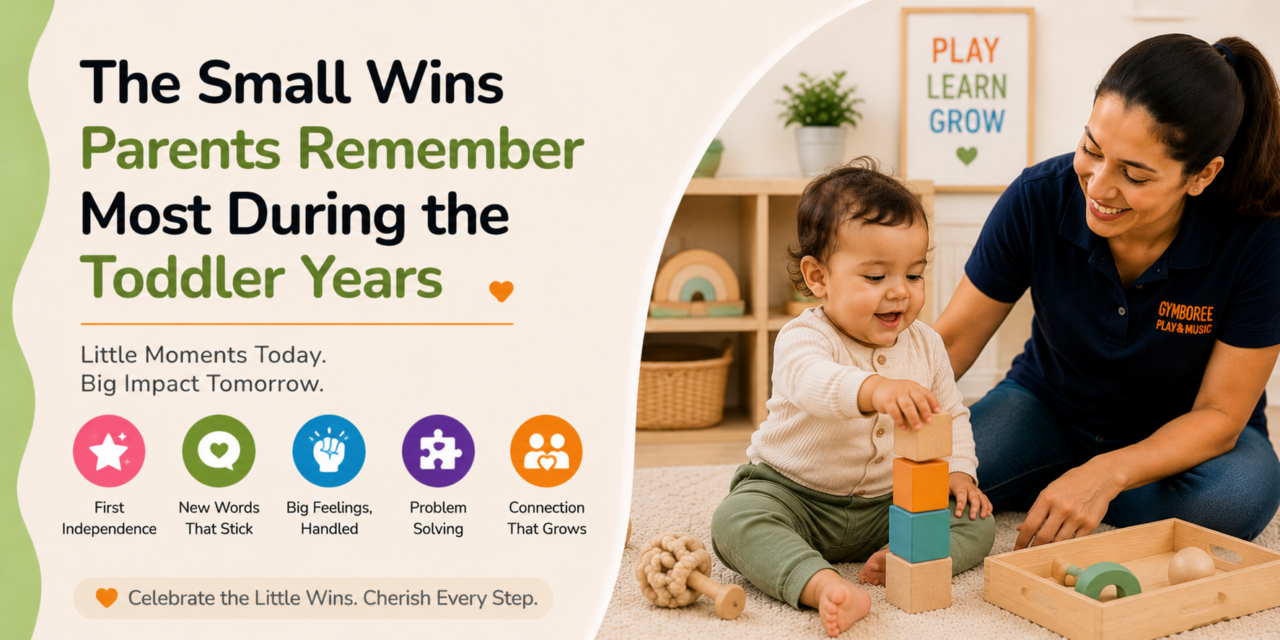
Most parents remember the big milestones clearly. First steps. First words. The first birthday party where the child cried halfway through because everyone sang too loudly. Those moments get written down, photographed, and shared with family immediately. But somewhere between all those major milestones, smaller things start happening quietly. A toddler hands another child a toy without being asked. They wait for a turn during class instead of running forward immediately. They finally join circle time after spending weeks watching from the side. Parents notice these moments instantly, even if nobody else in the room does. Because deep down, those tiny changes feel big. Toddler Development Is Usually Slower and Less Obvious Than Parents Expect A lot of parenting conversations focus heavily on major developmental markers. Walking. Talking. Counting. Potty training. Those things matter, obviously. But social and emotional growth tends to happen more gradually and much less dramatically. There is rarely one single moment where a toddler suddenly becomes patient, confident, or emotionally secure. Instead, it happens in tiny pieces over time. A child who cried every time another toddler touched their toy suddenly tolerates sharing for thirty seconds longer than before. A shy toddler waves goodbye to the teacher independently for the first time. A child who normally avoids group activities sits through half a music session willingly. These changes may seem small from the outside, but they represent real emotional growth during early childhood. The First Time a Toddler Shares Usually Feels Huge Parents laugh about this all the time. A toddler willingly sharing a toy can feel more shocking than expected. Not because toddlers are selfish, but because sharing is genuinely difficult during the early years. At that age, children are still learning that other people have separate wants, emotions, and interests. Their world naturally revolves around immediate needs and reactions. That understanding develops slowly through repeated interaction with other children. Group play helps because toddlers begin experiencing situations they cannot fully recreate at home. They see other children waiting for turns. They watch classmates participate together. They slowly realize activities work better when everyone cooperates, even imperfectly. Nobody teaches this through lectures. Children learn it by experiencing it over and over again. Why Small Social Moments Matter So Much Many of the most important toddler skills are emotional before they become academic.
Thank you for reading this post, don't forget to subscribe!Things like
- Waiting briefly during activities
- Recovering after frustration
- Feeling comfortable around groups
- Following simple routines
- Participating independently
- Building trust with teachers
- Expressing emotions safely
These are the foundations that help children adjust successfully to preschool later. Parents often focus heavily on whether toddlers know letters or numbers early, but emotional confidence usually matters first. A child who feels secure in group environments adapts much more comfortably to structured learning later on. Confidence Builds Quietly During Early Childhood Parents sometimes expect confidence to appear in obvious ways. But with toddlers, confidence often develops slowly and quietly before adults fully notice it. A child may spend several classes sitting beside a parent before suddenly deciding to explore independently one day. Another toddler may watch music activities silently for weeks before finally joining in during a familiar song. Those moments matter because they show children beginning to trust themselves. Good toddler environments understand that participation cannot always be rushed. Children become more confident when they feel emotionally safe first. Why Repetition Helps Toddlers Feel Secure Adults usually become bored with repetition quickly. Toddlers usually love it. The same songs. The same routines. The same parachute game every week. Predictability helps children feel comfortable because they know what to expect next. That consistency supports emotional development in ways parents sometimes underestimate. A shy child who refuses activities during the first class often becomes more relaxed after several sessions simply because the environment no longer feels unfamiliar. The routine itself becomes reassuring. That emotional security creates room for confidence to grow naturally. Physical Play Supports Emotional Growth Too Toddlers process emotions physically long before they fully explain feelings with words. That is why movement matters so much during early childhood. Climbing, balancing, jumping, crawling, and dancing help children release energy while building confidence in their own abilities. A toddler successfully climbing soft play equipment for the first time is not only developing coordination. They are experiencing independence. That small “I did it” feeling matters more than adults sometimes realize.
Physical play also helps toddlers
- Build body awareness
- Improve balance
- Regulate emotions
- Increase confidence
- Develop resilience
- Feel more comfortable exploring independently
Children who move regularly often become more emotionally settled afterward too. Parents Usually Notice the Changes at Home First One interesting thing about toddler development is that the clearest signs of progress often happen outside the class itself. Parents start noticing small differences during ordinary routines at home. Their toddler becomes slightly more patient. Transitions become easier some days. They sing songs from class independently. They show more curiosity around other children at parks or gatherings. Sometimes children even begin copying classroom routines during pretend play at home. These shifts rarely happen overnight. They build slowly through repetition, familiarity, movement, and social interaction. No Toddler Develops Perfectly All the Time This part matters too. Progress during early childhood is never perfectly consistent. A toddler may confidently participate one week, then refuse everything the next week because they are tired, overstimulated, teething, or simply having a difficult day. That inconsistency is normal. Toddlers are still learning how to manage emotions, transitions, and unfamiliar situations. Development rarely moves in straight lines. Parents sometimes worry too quickly when children seem to “go backward” temporarily, but emotional growth during early childhood often happens unevenly. The Small Moments Usually Matter Most Later Years from now, most parents probably will not remember every worksheet or structured activity from the toddler years. But they will remember the first time their child joined the parachute game without hesitation. The first independent climb. The first confident interaction with another toddler. The first moment they realized their shy child was slowly becoming more comfortable in the world around them. Those are the moments that stay with people. Because during early childhood, the smallest wins often mean the most.
Frequently Asked Questions
Why are small developmental milestones important?
Small milestones like sharing, participating, or following routines reflect emotional and social growth during early childhood.
How do toddler classes build confidence?
Repeated group activities help toddlers feel emotionally secure, independent, and more comfortable exploring new environments.
What social skills do toddlers develop through group play?
Toddlers develop patience, turn-taking, communication, confidence, and cooperation through regular interaction with other children.
