



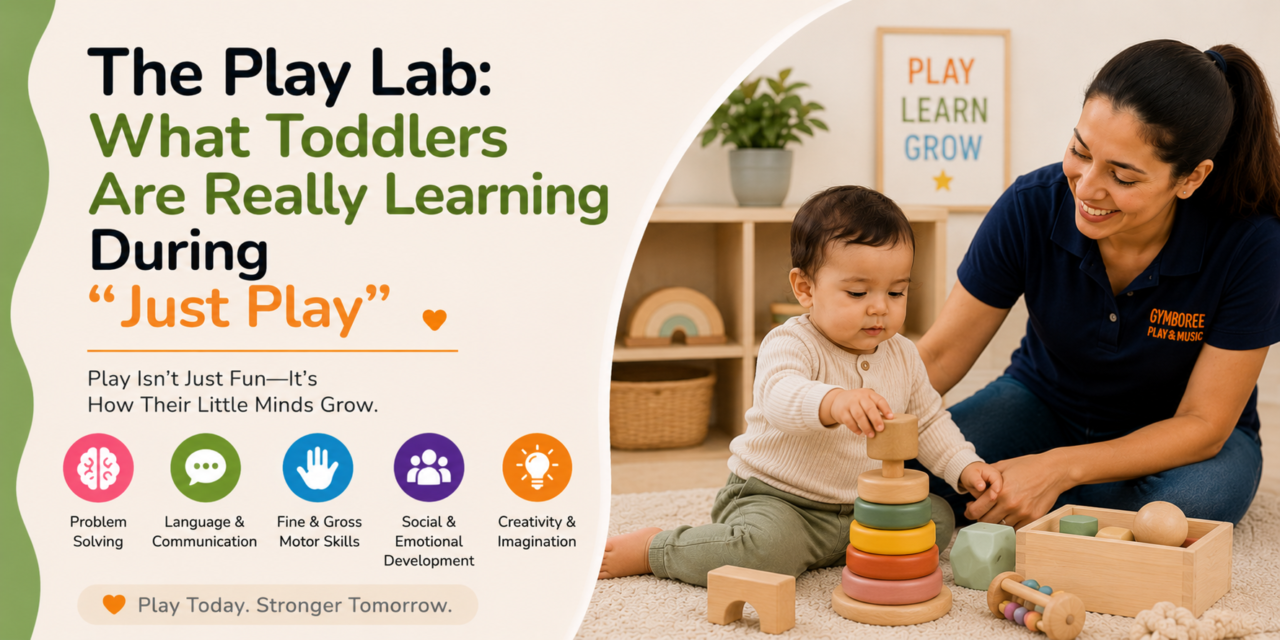
A father sitting near the soft play area once watched his son spend nearly ten minutes trying to climb the same foam step. He would climb halfway, slide back down, stare at it seriously for a second, then try again. Another parent nearby smiled and said, “He’s determined today.” The father laughed and replied, “I thought he’d get bored after two minutes.” But toddlers usually do not see play the way adults do. What looks repetitive or simple from the outside often feels important to them. That foam step was not just part of a game. For that little boy, it was a challenge he wanted to solve himself. And honestly, that is where a lot of early learning begins. Not at a desk. Not through flashcards. On soft mats, inside tunnels, under parachutes, while chasing bubbles across the floor. Adults Usually Separate Play and Learning Toddlers do not. That difference matters more than people realize. Most adults think learning should look structured. We expect children to sit, listen, answer questions, and follow instructions carefully. So when parents watch toddler classes filled with singing, climbing, dancing, and crawling, they sometimes wonder if children are “actually learning anything.” Meanwhile, the toddlers are learning constantly. A child balancing on a beam is figuring out coordination and body control. Another child waiting for the parachute game to start is learning patience, even if imperfectly. A toddler watching other children stack blocks is quietly studying how things work. At this age, learning is physical first. Children understand the world through movement before anything else. Why Toddlers Need Hands-On Experiences Young children are not built for long explanations. You can tell a toddler to be careful near stairs twenty times, but they understand it better after physically practicing balance and movement themselves. That is why play-based environments work so well during early childhood. Children need to touch things. Push things. Drop things. Climb things. Repeat things over and over until their brain and body begin connecting the experience together. Even activities adults consider basic are doing developmental work underneath. Water play teaches cause and effect. Music helps with rhythm and memory. Tunnel crawling builds coordination and confidence. Simple sorting games introduce problem-solving naturally. Toddlers rarely learn best by sitting still. Repetition Is Not Boring for Toddlers Parents often laugh about how toddlers can repeat the exact same activity endlessly without losing interest. The same song. The same game. The same tunnel. The same bubble activity. Adults usually crave novelty. Toddlers crave familiarity. Repetition helps children feel secure because they begin predicting what comes next. It also strengthens learning in ways adults sometimes overlook. A child who hears the same welcome song every week eventually starts participating confidently because they already know the rhythm and routine. That predictability matters. Especially for children who are naturally shy or cautious in group settings. Social Skills Quietly Develop During Play One thing that becomes obvious in toddler classes is how much children learn just by watching each other. A toddler may ignore instructions from adults but immediately copy another child jumping, clapping, or dancing nearby. Children observe constantly. They study reactions, expressions, and behavior long before they fully communicate verbally themselves.
Thank you for reading this post, don't forget to subscribe!During group play, toddlers slowly begin understanding things like
- Taking turns
- Waiting briefly
- Following routines
- Participating in shared activities
- Respecting space
- Handling frustration
None of this develops instantly. And honestly, some days go better than others. One child may happily share balls during class one week, then cry dramatically about sharing the next week. That inconsistency is normal during toddler development. Learning social behavior is messy. Confidence Usually Builds Slowly Parents sometimes expect confidence to appear in obvious ways. But with toddlers, confidence often develops quietly first. A child who spends several classes sitting close to a parent may suddenly wander independently toward the play area one day without warning. Another child who refused group activities may finally hold onto the edge of the parachute after weeks of only watching from the side. Those moments matter. Not because they seem huge to adults, but because they feel huge to the child. Good toddler programs understand that participation cannot always be forced. Children explore more naturally when they feel emotionally safe enough to do it on their own terms. Physical Play Supports Emotional Development Too Toddlers experience emotions physically. That is why movement matters so much during the early years. Running, climbing, spinning, balancing, and jumping help children regulate emotions long before they can explain feelings clearly. Parents often notice their child becomes calmer after active play sessions, especially when movement happens in structured environments rather than chaotic overstimulation.
Physical activity supports
- Coordination
- Emotional regulation
- Body awareness
- Sleep quality
- Confidence
- Attention span
A toddler climbing through soft play equipment is not “just getting energy out.” They are learning how their body works in space. Why Some of the Simplest Activities Work Best It is funny how often toddlers ignore expensive toys and become fascinated by ordinary things instead. Bubbles. Scarves. Music. Cardboard boxes. Large foam blocks. A giant parachute floating overhead. Simple activities usually leave more room for imagination and interaction. Children become part of the experience instead of sitting passively watching something happen. That engagement is what holds attention naturally. Not flashing lights or nonstop noise. Parents Usually Notice the Changes at Home First The interesting part about toddler classes is that the biggest signs of progress often happen outside the class itself. Parents notice small things at home. A child suddenly becoming more independent during play. More willingness to interact with other children. Better transitions between activities. Improved confidence climbing at the park. Joining songs they previously ignored. These changes rarely happen overnight. They build slowly through repetition, familiarity, movement, and social interaction. “Just Play” Is Doing More Than It Looks Adults tend to underestimate toddler learning because it does not always resemble formal education yet. But early childhood development is happening constantly during play. Children are learning while balancing on soft mats, listening to music, crawling through tunnels, chasing bubbles, and sitting beneath parachutes with twenty other laughing toddlers. The learning may not look traditional. Still, it is real. And for toddlers, it is often the kind of learning that matters most first.
Frequently Asked Questions
How do toddlers learn through play?
Toddlers learn through movement, repetition, sensory experiences, and exploration while building coordination, confidence, problem-solving, and communication skills.
Why is play-based learning important in early childhood?
Play-based learning supports natural brain development because toddlers understand concepts better through hands-on experiences than formal instruction.
What skills do toddlers develop during physical play?
Physical play helps toddlers develop balance, body awareness, coordination, confidence, and emotional regulation.
